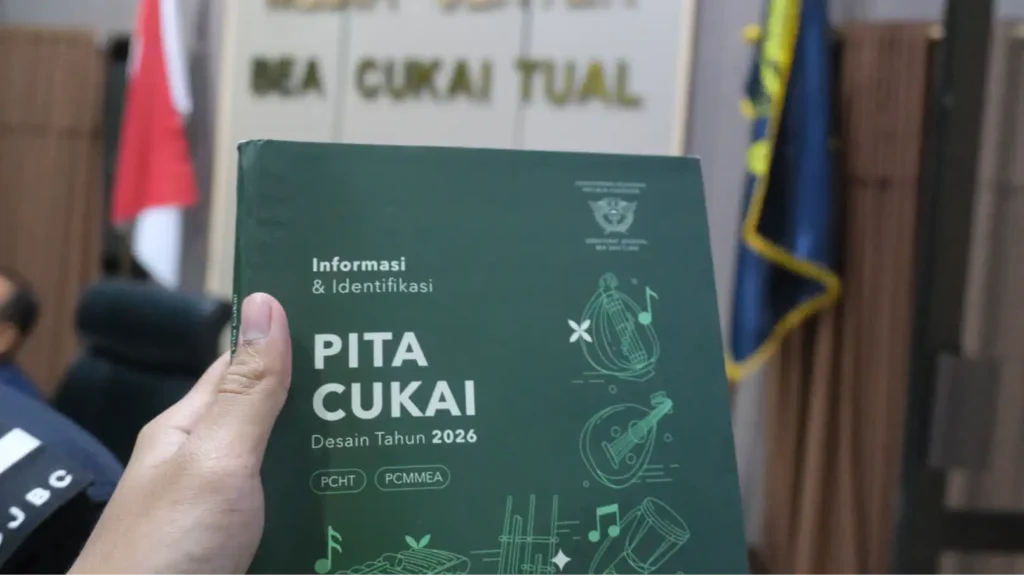

The Indonesian House of Representatives (DPR) officially passed the Law on the Indonesian International Financial Center (UU PFII) during the 26th Plenary Session of the Fifth Sitting Period (2025–2026 Legislative Year) at the Nusantara II Building, Senayan, Jakarta, on Tuesday (July 21, 2026).
The PFII Law serves as the legal foundation for establishing an international financial hub in Indonesia. This landmark regulation is expected to enhance the competitiveness of the domestic financial services sector while attracting foreign direct investment and global financial activities to the country.
A key highlight of the legislation is its extensive tax incentive package, which includes Corporate and Individual Income Tax (PPh) exemptions and relief available to investors and family offices for up to 50 years, subject to applicable regulations.
Below is an overview of the key tax incentives under the PFII Law and the eligible business sectors.
What Is the PFII Financial Center?
The establishment of the PFII financial center stems from the mandate of Law No. 4 of 2026 on the Amendments to Law No. 4 of 2023 on the Development and Strengthening of the Financial Sector (P2SK).
Article 248A, Paragraph (2) of Law No. 4/2026 defines the financial center as a designated zone possessing financial and administrative autonomy, along with specialized legal frameworks designed to adopt, implement, and adapt international standards and principles.
Eligible Business Activities within the PFII
The legislation encompasses a broad range of financial and ancillary activities:
- Banking
- Insurance
- Islamic (Sharia) finance
- Capital markets, derivatives, and carbon exchanges
- Pension funds
- Financing services
- Venture capital
- Financial technology (FinTech) innovation
- Financial guarantees
- International commodity trading and exchanges
- Bullion trading
- Trust fund management
- Financial instrument management
- Financial holding companies
- Money markets, foreign exchange, and related derivative transactions
- Family offices
- Investment management
- Other approved financial sector activities
Tax Incentives Offered in the Financial Center
Under Article 48, Paragraph (2) of the newly enacted PFII Law, tax facilities provided within the financial center include:
- Income Tax (PPh) incentives
- Value-Added Tax (VAT)/PPN incentives
- Sales Tax on Luxury Goods (STLG)/ PPnBM incentives
- Customs and tariff concessions
Income Tax Relief for Businesses and Family Offices
The PFII Law offers several high-value Income Tax incentives—some granting relief for up to 50 years—including:
- Foreign Income Exemptions: Exemption from income tax on foreign-sourced income for business entities and foreign financial experts working within the PFII.
- Corporate Tax Reductions: A 100% Corporate Income Tax (CIT) holiday for financial sector businesses, supporting industry providers, and qualifying companies in secondary sectors.
- 0% Final Income Tax: A temporary 0% final income tax rate on earnings received by financial experts working for PFII businesses, as well as ad-hoc judges.
- Exemption from Domestic Tax Residency: Foreign nationals are exempted from being classified as domestic tax subjects provided they:
- Are registered with a family office inside the PFII;
- Hold a Golden Visa issued for the PFII zone; and
- Do not earn active business income or hold employment within the PFII or broader Indonesian territory.
- Withholding Tax Exemptions: Full exemptions from withholding or collection of income tax on investment proceeds and purchases of ultra-luxury residential properties within the PFII zone by qualified individuals or corporate entities operating, stationed, or residing in the precinct.
VAT and Luxury Tax Concessions
The PFII Law provides VAT and Luxury Tax exemptions—or non-collection status—for:
- The delivery of specified strategic Taxable Goods (BKP) and Taxable Services (JKP); and
- The import of strategic Taxable Goods into the designated zone.
Inheritance Tax Exemption
Inheritance tax will not apply within the financial center, provided that:
- The inherited assets are officially registered with an authorized family office in the PFII; and
- The deceased bequeather was a registered foreign national associated with a family office within the zone.
Conclusion
The enactment of the PFII Law marks a strategic milestone in bolstering Indonesia’s position as a competitive global financial hub through regulatory certainty and aggressive tax concessions. From capital investments to luxury property acquisitions, these comprehensive incentives are poised to draw global investors and family offices looking to expand their footprint in Indonesia