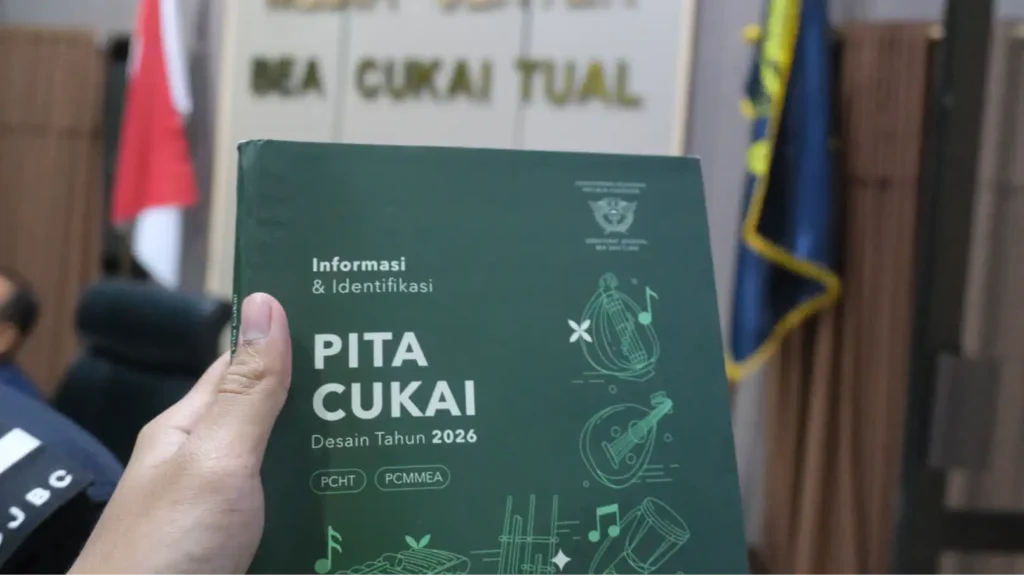

Starting October 1, 2026, designated e-commerce platforms in Indonesia will officially act as tax withholding agents for Article 22 Income Tax (PPh Pasal 22) on transactions conducted across their digital ecosystems. However, this tax collection will not apply to all online sellers.
The government provides an exemption for individual taxpayers whose annual gross revenue does not exceed IDR 500 million, provided they fulfill the required conditions—primarily submitting a formal Statement Letter (Surat Pernyataan) to the respective platforms.
Who is eligible for this tax relief, and how do sellers issue the required Statement Letter?
The 0.5% Income Tax Is Not a New Levy
Many business owners mistakenly believe that tax withholding by e-commerce platforms introduces a new tax obligation. That is a misconception.
The 0.5% final income tax rate has been in effect since the issuance of Government Regulation No. 23 of 2018 (PP 23/2018), specifically tailored for eligible Micro, Small, and Medium Enterprises (MSMEs).
Under Ministry of Finance Regulation No. 37 of 2025 (PMK 37/2025), the government is merely updating the collection mechanism. Previously, taxpayers self-assessed and directly remitted their taxes. Moving forward, government-appointed e-commerce platforms will directly collect, remit, and report the tax on behalf of the sellers.
Government-Appointed Tax Withholding Platforms
The Directorate General of Taxes (DGT) has designated specific Electronic Trading System Providers (PPMSE) to carry out these withholding duties. The four appointed e-commerce giants are Blibli, Shopee, Tokopedia, and Lazada.
In accordance with PMK 37/2025, tax collection takes effect one month following the official appointment, setting the implementation date to August 1, 2026.
Who Is Exempt from Article 22 Income Tax?
Not every transaction on an e-commerce platform is subject to Article 22 Income Tax withholding. Key exempt categories include:
- Individual taxpayers generating up to IDR 500 million in annual gross revenue who have submitted a valid Statement Letter;
- Sellers holding an official Tax Exemption Certificate (Surat Keterangan Bebas or SKB) for income tax withholding;
- Logistics and courier partners operating within the digital platform;
- Sales of mobile credit (pulsa) and SIM starter packs;
- Transactions involving gold, gemstones, and specified commodities under applicable regulations; and
- Transfers of rights to land and/or buildings, which are governed by separate tax regulations.
For the majority of small business owners, the gross turnover exemption threshold of up to IDR 500 million per year remains the most relevant relief mechanism.
What Is the Statement Letter?
To claim the exemption, sellers must submit a formal Statement Letter (Surat Pernyataan) to the platform operator. Pursuant to Article 6, Paragraph (2) of PMK 37/2025, this document serves as a self-declaration that the seller’s gross revenue for the current tax year will not exceed IDR 500 million.
This facility is exclusive to individual taxpayers. The document must follow the official template prescribed in the PMK appendix and bear a valid duty stamp (e-meterai or physical meterai). The actual submission process or upload procedure will adhere to each platform’s specific technical guidelines.
Required Details
Sellers must disclose key information in the Statement Letter, including:
- Full legal name;
- Tax Identification Number (NPWP) or National Identification Number (NIK); and
- Registered address.
While the document is submitted directly through e-commerce portals, ultimate legal responsibility for the accuracy of the declared data rests entirely with the taxpayer.
One Statement Letter Across Multiple Platforms
It is common for merchants to operate stores across various e-commerce channels. Sellers are not required to generate distinct Statement Letters for every platform.
A single Statement Letter can cover all registered merchant accounts, provided they share the same NPWP or NIK. In short, the same document can be submitted to multiple platforms without issuing new paperwork each time.
Compliance Risks and Discrepancies
The government receives direct transactional data from appointed e-commerce operators. The tax authority uses this intelligence to monitor compliance by cross-matching platform data against tax returns filed by taxpayers.
If discrepancies are uncovered between actual gross earnings and the figures declared in the Statement Letter or tax returns, taxpayers risk receiving a Request for Explanation on Data and/or Information (Surat Permintaan Penjelasan atas Data dan/atau Keterangan or SP2DK).
In serious cases, unresolved discrepancies may trigger a formal tax audit accompanied by administrative penalties under governing tax laws. Business owners must ensure precise revenue tracking before submitting their declarations.
Conclusion
With the enforcement of PMK 37/2025, the tax exemption for e-commerce sellers generating up to IDR 500 million annually remains intact. However, it is not granted automatically—sellers must proactively submit a valid Statement Letter to their respective platforms.
Accurately tracking revenue, meeting administrative requirements, and ensuring complete data integrity are critical steps for online merchants to leverage this tax facility smoothly while avoiding future tax exposure.